It’s been a year since mass firings began at the CDC, the federal public health agency. Then came a shooting, and the government shutdown. Atlanta is still feeling the economic and emotional effects.
AILSA CHANG, HOST:
The Centers for Disease Control and Prevention has been without a permanent director for more than six months. Recently, the Trump administration said that Dr. Jay Bhattacharya will become the CDC’s interim director while also running the NIH. This is just the latest in a series of disruptions and dismissals. Jess Mador at WABE checks in on the Atlanta-based institution.
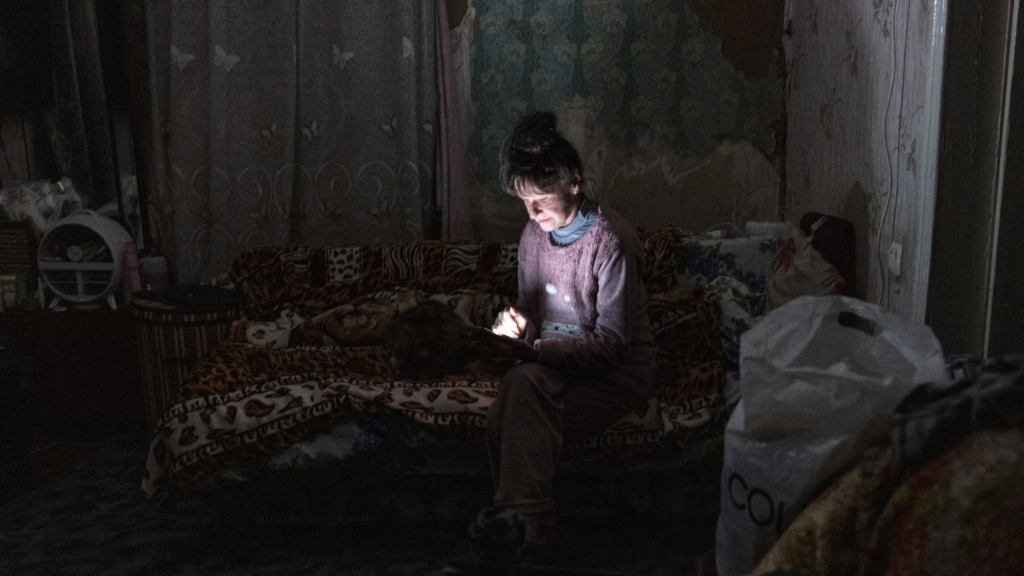
JESS MADOR, BYLINE: On her coffee table at home in Atlanta, Sarah Boim has a pile of documents from her old CDC job. They’re her own employment records. Boim lost her job in the first big wave of CDC firings last February. About 1,000 people were suddenly let go.
SARAH BOIM: I knew I wouldn’t have access to it, and everything was so chaotic that I needed proof of what was happening.
MADOR: Boim had worked in the Center for Environmental Health. She handled communications about things like radon, PFAS contamination and lead poisoning. Even now, she still can’t believe what her termination letter says.
(SOUNDBITE OF PAPER RUSTLING)
BOIM: (Reading) The agency finds that you were not fit for continued employment because your ability, knowledge and skills do not fit the agency’s current needs, and your performance has not been adequate to justify further employment at the agency. And that floored me because my performance was rated outstanding, and I even got a raise.
MADOR: The Trump administration later brought back some of the fired workers, but it’s also continued to cut more staff and funding. By the end of 2025, the administration had cut about 3,000 people from the CDC – about a quarter of its workforce. Boim says she’s still in mourning.
BOIM: The harm that’s going come to people that don’t even know what CDC was protecting them from. But for Atlanta, there’s a lot of us. There’s thousands of CDC employees that live here. We’re, you know, your friends, your neighbors, your family. And with the lost income, it has an impact on local businesses, also.
(CROSSTALK)
MADOR: Across the street from the sprawling CDC campus is Sri Thai restaurant. Manager Nathan Chanthavong says 40% of their customers are CDC employees. He says business dropped a bit after the firings and also during the government shutdown.
NATHAN CHANTHAVONG: Typically, we would get a catering order for the CDC. We saw it less, less and less. It’s not a really big impact, but, you know, catering is a big order. It’s a lot of money. It does affect us.
MADOR: Asked about the cuts, a spokesman for the Department of Health and Human Services, Andrew Nixon, sent NPR an email describing the CDC as broken and bloated under President Biden.
(SOUNDBITE OF CAR HORN HONKING)
MADOR: For over a year now, former CDC workers have protested every single Tuesday afternoon at rush hour outside the CDC’s main entrance. They carry handmade signs saying things like, save public health.
(CHEERING)
MADOR: Ben McKenzie was at a recent protest marking a year since the firings began. He’s still employed as a CDC researcher.
BEN MCKENZIE: It’s been heartbreaking to see so many talented, able colleagues be forced out or leave.
MADOR: McKenzie says current employees also need support, especially after last summer when a man opened fire on CDC buildings. He killed DeKalb County police officer David Rose before killing himself. Multiple CDC employees have told NPR the federal government has yet to fully fix the damage to the windows and the buildings hit in last year’s shooting.
MCKENZIE: I think we’ve all felt the emotional impact of being targets. Right now, to work at CDC is, in a lot of ways, to be a target.
MADOR: McKenzie helps run a mutual aid group, one of several that have sprung up in Atlanta. His group has distributed more than $200,000 to help former CDC workers with rent and other needs. For NPR News, I’m Jess Mador in Atlanta.
(SOUNDBITE OF MUSIC)
Copyright © 2026 NPR. All rights reserved. Visit our website terms of use and permissions pages at www.npr.org for further information.
Accuracy and availability of NPR transcripts may vary. Transcript text may be revised to correct errors or match updates to audio. Audio on npr.org may be edited after its original broadcast or publication. The authoritative record of NPR’s programming is the audio record.