The state program that helps bring solutions for Californians with contaminated drinking water is facing a major drop in funding.
At a meeting in Sacramento last week, state officials presented estimates that grant money to help communities get clean drinking water, including by drilling new wells or connecting to nearby water systems, could fall from $941 million in the current fiscal year to about $103 million in 2027-28.
Both state and federal funds are going away. Some at the meeting called it a looming “fiscal cliff.”
“I know it’s going to be really depressing having dozens or hundreds of projects in the pipeline that we can’t fund,” Jennifer Clary of the group Clean Water Action told the five-member State Water Resources Control Board.
She urged the board to make sure it’s prioritizing financial support for places where it’s most needed.
Since 2012, California has declared access to clean, accessible and affordable drinking water a human right.
The state’s SAFER drinking water program pays for interim solutions, such as deliveries of bottled water and water tanker trucks to fill household tanks, as well as the long-term ones.
Since it started in 2019, the state water board says it has helped nearly 1 million Californians gain access to safe drinking water in their homes and schools. The state has given more than $1.8 billion in grants for drinking water projects in low-income communities.
Yet about 600,000 people still get their drinking water from 422 systems that regulators say are failing to meet safe drinking water standards. An additional 631 water systems are considered at risk of failing.
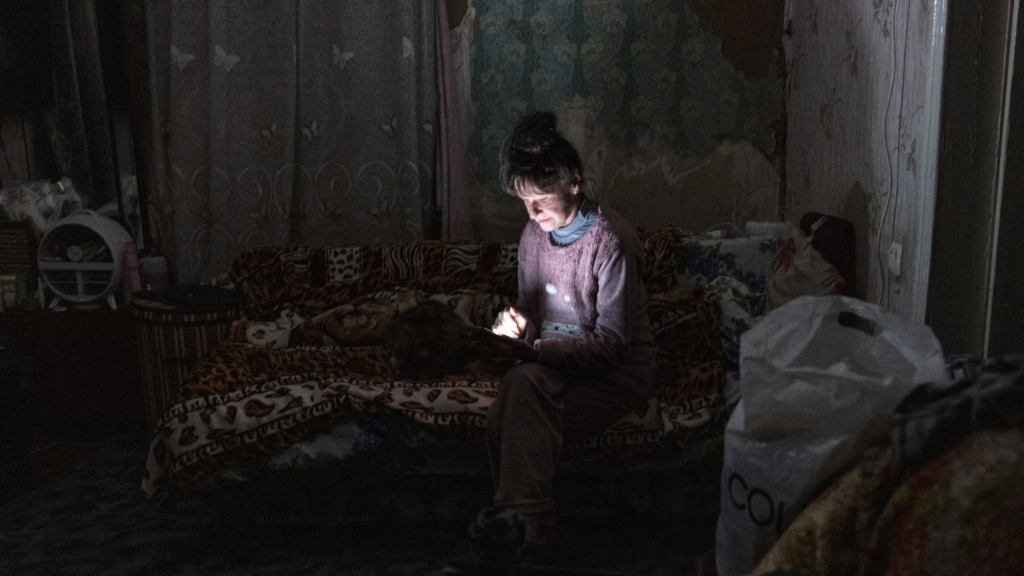
One area where people are waiting for a solution is a neighborhood flanked by grapevines and orange groves north of Porterville in Tulare County, where household well water is contaminated with nitrate, which can come from fertilizer, animal manure or human sewage, and 1,2,3-trichloropropane, a hazardous chemical once widely used in pesticides.
The community does not yet have state funding to connect to Porterville’s city water system.
Paula Fernández, a resident, said she hopes that “instead of cutting, they say it’s increased so that everything can get done faster.”
Shortly after Gov. Gavin Newsom took office in 2019, he signed legislation establishing the drinking water fund. It called for $130 million for the program each year for 10 years, and said any revenue shortfall would be offset with other state funds.
But recent changes to California’s “cap-and-invest” climate program could translate into less funding for the drinking water program. When the Legislature voted last year to extend the climate program, the provision guaranteeing backup funding wasn’t included.
Next year, new state grant funding is projected to fall about 79% compared the the average over the last six years, said Kristyn Abhold, an official in the board’s financial assistance division.
At the same time, funds from the federal government are expected to drop 84% in 2027, she said. That’s largely because money that was available from the Bipartisan Infrastructure Law, which passed during the Biden administration, is ending.
“I’m pretty apprehensive,” Clary said after the meeting. “We’ve made more progress on access to safe drinking water in the past seven years than we did at any period in the last several decades.”
Newsom and the Legislature should restore full funding for the SAFER program, said Nataly Escobedo Garcia, policy manager for the group Leadership Counsel for Justice and Accountability.
If the Legislature acts, she said, the funds for 2027-28 could still increase.
More water news
The company Cadiz Inc. has been trying for years to pump groundwater in the Mojave Desert and ship it to thirsty cities in California. I covered the news last week when the Trump administration signed off on the company’s plan to convert an oil and gas pipeline to transport water across the desert.
My colleague Lila Seidman reported that a major Southern California water agency, the Metropolitan Water District, has struck a deal with federal officials to boost water levels in Lake Mead, part of a broader effort to keep the country’s largest reservoir from reaching critically low levels — at least for a while longer.
Lake Powell, the second largest reservoir on the Colorado River, is also nearing critically low levels. Managers of Glen Canyon Dam intend to substantially cut back flows from the dam through the Grand Canyon this year, Brandon Loomis reports for The Arizona Republic.
In Kern County, agricultural water agencies have decided to scale back their financial support for planning California’s proposed Delta tunnel, known as the Delta Conveyance Project. Lois Henry reports for SJV Water that local water managers have decided to play a smaller role, saying they haven’t been able to get solid information about how much water they could count on from the tunnel.
In Bakersfield, environmental groups are involved in a major lawsuit demanding the city and agricultural water districts make the Kern River flow again, since now it is often reduced to a dry riverbed. This summer, people of all ages are getting an opportunity to wade and cool off in the river at a downtown park. As Lois Henry reports for SVJ Water, the city agreed to temporarily put some water back into the river, at least until July 30. Be sure to check out Lois’ photos of children playing in the water.
More climate and environment news
The U.S. Forest Service is using glyphosate, an herbicide many scientists say can cause cancer, to suppress unwanted plants during regrowth in fire-ravaged forests. My L.A. Times colleague Noah Haggerty wrote about the strong opposition to using the chemical in the forests around Lake Tahoe. Yet 100 miles away in Butte County, he found more acceptance of using the weedkiller for wildfire safety.
An environmental justice group is suing California’s top air regulator to challenge its sweeping overhaul of the state’s cap-and-invest carbon market program, claiming it illegally rushed a last-minute incentive for industrial polluters. Hayley Smith reports for The Times that the lawsuit by Communities for a Better Environment alleges the California Air Resources Board bypassed required environmental reviews.
The Trump administration has reversed decades of longstanding environmental law protecting endangered species, opening up their habitats to farming, mining and development. My colleague Jack Flemming looked at how that could affect species in trouble in California. The change redefines what constitutes “harm” to animals and habitats under the Endangered Species Act.
This is the latest edition of Boiling Point, a newsletter about climate change and the environment in the American West. Sign up here to get it in your inbox.
For more water and climate news, follow Ian James @ianjames.bsky.social on Bluesky and @ByIanJames on X.