Childcare costs across the country are soaring. In Oklahoma the cost of infant care has gone up more than a third since 2022, putting working parents in a tight spot.
Transcript
SCOTT SIMON, HOST:
Childcare costs are soaring across the country in places where the cost of living is high, like Oregon, and in more affordable places like Oklahoma, where state data shows the cost of infant care has gone up more than a third since 2022. As StateImpact Oklahoma’s Beth Wallis reports, that cost is putting working parents in a tight spot.
JENNIFER WILLIAMS: Brown bear, brown bear, what do you see? I see a…
SKYLER: Bushy (ph).
SJ: Rabbit.
SKYLER: Bunny.
BETH WALLIS, BYLINE: In Bethany, Oklahoma, Jennifer Williams reads and plays with her sons, Skyler and SJ. Skyler is 2. SJ is 4.
WILLIAMS: What is it?
SKYLER: House.
WILLIAMS: A house.
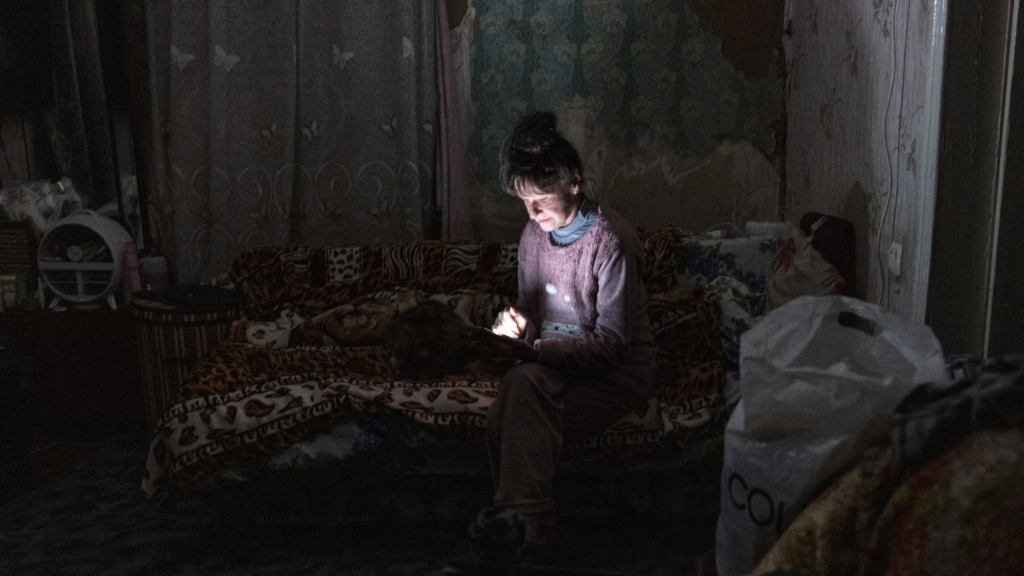
WALLIS: She says she thought she’d be a full-time working mom. But then Skyler came along well before SJ was old enough for public pre-K, and she and her husband couldn’t afford to send two kids to daycare at once. So Williams left her school counseling job to stay home. She works a couple days a week at a childcare program. She says it was a difficult call to make, but it was the right one for her family.
WILLIAMS: I guess now I just – I can’t imagine anything different. But it is hard to know that the choice is kind of made for me because of finances.
WALLIS: Oklahoma is the fourth most affordable state to live in, according to U.S. News & World Report. But the cost of childcare and especially infant care, which is more expensive, have skyrocketed. And Oklahoma’s not alone. From 2022 to 2025, the national average price of childcare shot up more than 20%. Infant care saw similar increases. That’s according to Child Care Aware of America, a nonprofit advocacy network. In Louisiana, the next most affordable state to live in, infant care increased by 30%. In Washington, one of the least affordable states, infant costs soared by 41%.
ANNE HEDGEPETH: We saw a big jump in childcare prices a couple years ago.
WALLIS: That’s Anne Hedgepeth, former senior vice president of policy and research at Child Care Aware of America. She says there’s no single reason prices have gone up, but one factor was states delaying market rate surveys during the pandemic.
HEDGEPETH: Those surveys are conducted on a fairly regular basis by state lead childcare agencies, and they do go into setting the subsidy rates.
WALLIS: States often subsidize childcare for low-income families by sending money directly to providers. The size of that subsidy can make a big difference for providers’ balance sheets. Over the past few years, as inflation drove up prices, some states didn’t increase their payments to match. To fill in the gaps, families had to shell out more money, and childcare providers had to make cuts.
RACHEL PROPER: Providing high-quality childcare is expensive.
WALLIS: Rachel Proper is the president of Child Care Incorporated. It’s a network of seven childcare centers in Oklahoma that serve mostly low-income families.
PROPER: We really try to cater to that group of parents. And we try to do a good job and provide them high-quality care to the kids that we feel need it the most.
WALLIS: They currently charge an average of $975 a month per child before any subsidies. Proper’s daycares got a boost from the state during the pandemic, but that boost ended. At the same time, her daycares were paying more for things like insurance and lunches. She says her centers have seen an 18% drop in their bottom line. To make the numbers work, they’ve cut employee benefits, trimmed back on business hours and even stopped providing baby wipes.
PROPER: We had to cut quality measures and really kind of get down to doing basic childcare as opposed to really doing those things that are exceptional and bring magic to our classrooms.
WALLIS: These challenges come as the Trump administration has rolled back a Biden-era policy that aimed to cap how much low-income families had to pay for daycare. In the meantime, states are experimenting with their own fixes. North Carolina and Michigan have implemented a model where the state, employers and families all share the cost of childcare. Oklahoma recently started a pilot program to expand access to subsidies for daycare employees. But New Mexico is the only state so far to offer free childcare to everyone.
For NPR News, I’m Beth Wallis in Tulsa.
Copyright © 2026 NPR. All rights reserved. Visit our website terms of use and permissions pages at www.npr.org for further information.
Accuracy and availability of NPR transcripts may vary. Transcript text may be revised to correct errors or match updates to audio. Audio on npr.org may be edited after its original broadcast or publication. The authoritative record of NPR’s programming is the audio record.