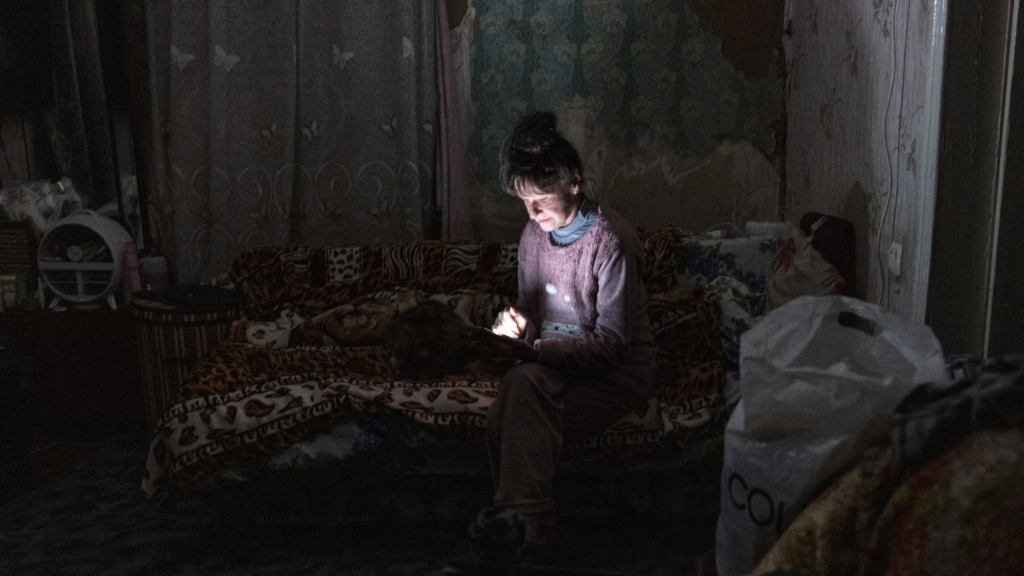
With skepticism about vaccines on the rise, one doctor in central Minnesota is making an effort to counter misinformation in his mostly immigrant community.
MICHEL MARTIN, HOST:
Here’s a story about a health clinic where up to 20% of the patients don’t have health insurance now. A Somali American doctor in central Minnesota opened the clinic to care for underserved people in his community, which includes other immigrants from Somalia. Kirsti Marohn with Minnesota Public Radio reports.
KIRSTI MAROHN, BYLINE: Under a big tent in the parking lot of a busy strip mall in St. Cloud, nurses in black scrubs are strapping on blood pressure cuffs and pricking fingers. It’s been one year since Hayat Clinic opened, and staff are celebrating by offering free blood pressure and glucose checks.
UNIDENTIFIED PERSON: (Non-English language spoken).
MAROHN: The clinic’s founder, Dr. Bashir Moallin, chats in Somali with a smiling man who just got an all clear on a prediabetes test.
BASHIR MOALLIN: So he was happy that – to know his blood sugar is normal. He don’t have diabetes. You can see how happy he is.
MAROHN: Hayat Clinic is open to all patients but serves mainly members of the city’s East African community. Hayat is an Arabic word meaning life. St. Cloud’s Somali American population has grown significantly since the first refugees settled here more than two decades ago. Roughly 6% of the city’s residents claim Somali heritage. Moallin – his patients call him Dr. Bashir – grew up in Somalia. After coming to the U.S. in 2014, Moallin says he noticed barriers that often prevented immigrants from getting the care they needed. Many worked weekdays and couldn’t afford to take time off for a medical appointment.
MOALLIN: To help them to get primary care, we decided to open the weekend. So – and actually, those are our busiest days – Saturday, Sundays.
MAROHN: Another barrier is financial need. Up to 20% of the clinic’s patients have no health insurance. Most others rely on Medicaid and Medicare. Moallin says federal changes could make it harder for those patients to seek primary care.
MOALLIN: But our goal is to be here. As long as we have patient, we’ll be here.
MAROHN: At the front desk, multilingual staff greet patients in several languages, including Swahili, Somali and Arabic. Nurse Hodan Yussuf says speaking to patients in their native language helps them feel comfortable and understood.
HODAN YUSSUF: When you walk in, you have a provider that you don’t have a second person in between you guys interpreting for you. And sometimes patient feel like the interpreter not always address their concern. They always leave and – you know, thinking, maybe that was not interpreted the way I was thinking of.
MAROHN: Moallin encourages patients to get regular screenings for cancer, diabetes and other diseases. He says in Somalia, going to the doctor for routine checks just isn’t common.
MOALLIN: And you don’t see a provider for preventive care. You just see when you are very sick and you’re afraid to die.
MAROHN: The clinic also provides immunizations to adults and children. Sometimes that involves overcoming parents’ fears that vaccines cause autism, a claim with no scientific evidence. Moallin says he tells parents that his own four children are vaccinated.
MOALLIN: Sometimes I can see the ease in their face. And most of them, they accept and do the vaccine. But there’s still a lot of hesitance.
MAROHN: In its first year, Hayat Clinic cared for more than 4,000 patients. Moallin wants to grow that number and add more services, including mental health treatment. Meanwhile, he says the clinic’s impact is growing. Some of its young patients now are interested in pursuing medical careers.
For NPR News, I’m Kirsti Marohn in St. Cloud, Minnesota.
(SOUNDBITE OF VITAMIN STRING QUARTET’S “PEARLS”)
Copyright © 2025 NPR. All rights reserved. Visit our website terms of use and permissions pages at www.npr.org for further information.
Accuracy and availability of NPR transcripts may vary. Transcript text may be revised to correct errors or match updates to audio. Audio on npr.org may be edited after its original broadcast or publication. The authoritative record of NPR’s programming is the audio record.