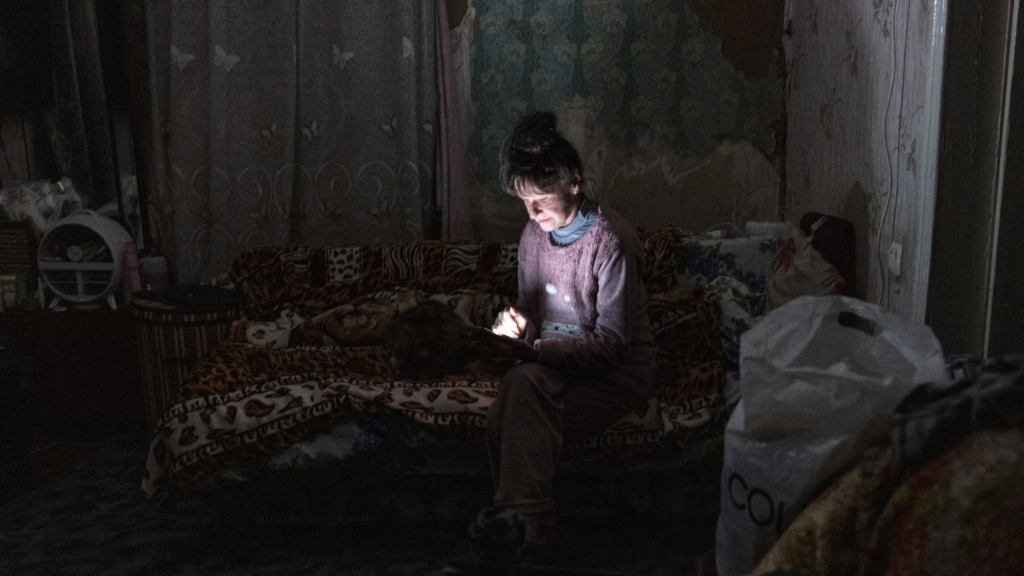
In 2003 George W. Bush set up the global health initiative PEPFAR in response to the HIV/AIDS epidemic. Over the last couple of decades, it’s saved millions of lives for relatively little money. But cuts under the Trump administration have gutted the program. An estimated 70,000 people have died already due to the cutbacks. We speak to journalist Jon Cohen who visited Eswatini and Lesotho to learn about the suspended program’s effects on the ground.
A MARTÍNEZ, HOST:
An HIV/AIDS treatment program created by President George W. Bush is under threat as Republicans in Congress look to cut federal spending. Our colleague, Darian Woods, from The Indicator podcast examines the legacy of PEPFAR and what it would mean for the program to end.
DARIAN WOODS, BYLINE: Not everyone remembers this acutely, but in the 1990s, AIDS was one of the leading causes of death, including in the U.S. And then came game-changing drugs to treat HIV, the virus that causes AIDS. These drugs were what’s called antiretroviral therapy. Jon Cohen is a senior correspondent for Science magazine and has been covering public health for over 30 years.
JON COHEN: They could basically allow people who had HIV to live normal lifespans.
WOODS: Antiretroviral therapy saved millions of lives in wealthy countries.
COHEN: Well, that wasn’t available to most people living with HIV in the world because the drugs were so incredibly expensive, about 15,000 a year per person.
WOODS: That’s what impelled George W. Bush to start PEPFAR. And what’s made PEPFAR successful is that the program is heavily monitored for its outcomes. Program managers can look at a country and see where it’s succeeding, where it’s failing, and what could be changed. And even some of the countries hardest hit by AIDS have reached these targets.
COHEN: To date, the program has spent over $120 billion and has saved an estimated 26 million lives. It’s a phenomenally successful program.
WOODS: That success is now under grave threat. The hope had been that American assistance could start phasing down around 2030. But some Republican lawmakers didn’t like that some money was targeting higher-risk groups, like sex workers and LGBT people, so that glide path has now turned more into a crash landing. Earlier this year, many HIV/AIDS organizations in places like Africa received emails terminating their contracts with the USAID. The emails were signed off, God bless America.
White House budget director Russ Vought said the US is in $37 trillion in debt, and at some point, the continent of Africa needs to absorb more of the burden of providing this health care. So could African countries fund HIV/AIDS treatment and prevention themselves?
COHEN: Sure. And they want to, and they’re moving toward that. But to think that this is going to solve our debt problem, I mean, come on. Do the math. It’s more than simply soft diplomacy. It’s creating a stable world where you don’t have military conflicts and you don’t have countries falling apart because of health.
WOODS: We reached out to the Department of State asking if its leadership was concerned. A spokesperson said PEPFAR continues to support lifesaving HIV testing, care and treatment approved by the secretary of state. But they also said that other PEPFAR-funded services are currently being reviewed for efficiency and consistency with U.S. foreign policy. Jon says, like any large system, there were always wrinkles, like leadership in Washington pushing too hard for those metrics sometimes or debates over abstinence promotion. But overall, he says, this was an extremely well-run program. In its hobbled state now, though, researchers from the HIV Modelling Consortium estimated 70,000 people have already died.
Darian Woods, NPR News.
Copyright © 2025 NPR. All rights reserved. Visit our website terms of use and permissions pages at www.npr.org for further information.
Accuracy and availability of NPR transcripts may vary. Transcript text may be revised to correct errors or match updates to audio. Audio on npr.org may be edited after its original broadcast or publication. The authoritative record of NPR’s programming is the audio record.