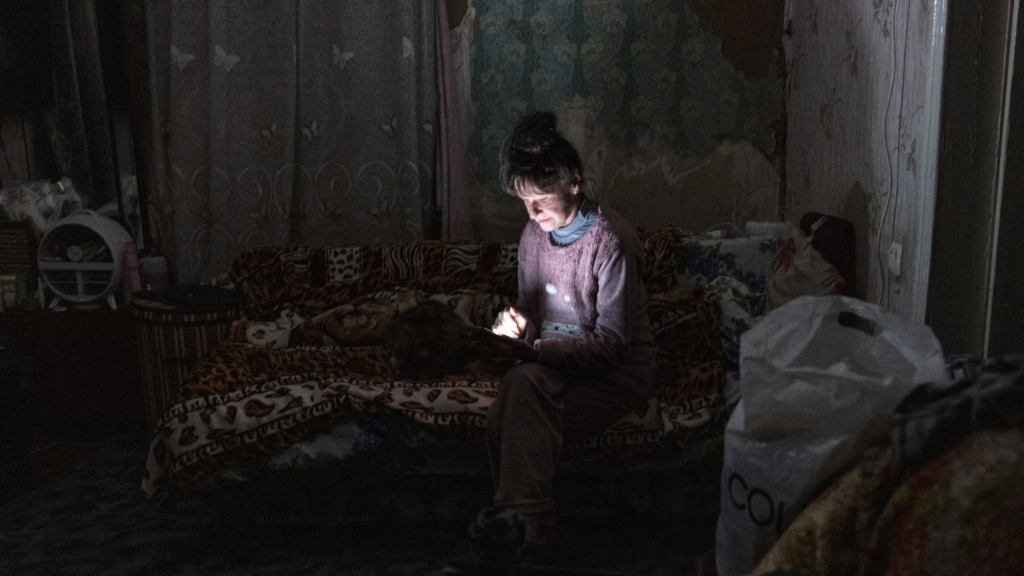
Hearing about the sexual assault of a Cornell University student in 2024 is bringing back memories for people who have experienced abuse. With the story everywhere, it’s hard to ignore.
Transcript
MICHEL MARTIN, HOST:
Let me warn you here that our next story is about the gang-rape allegations at Cornell University. The details of those allegations are prompting survivors of sexual assault to share their experiences on social media. NPR’s Windsor Johnston reports on why some say Jane Doe’s story feels like their own.
WINDSOR JOHNSTON, BYLINE: The stories that 53-year-old Erin Smith has been reading on social media about the Cornell University allegations have stopped her cold.
ERIN SMITH: I was so enraged. I had to set my phone down, stand up and just pace around my kitchen like a caged tiger.
JOHNSTON: Smith is a yoga instructor in Winchester, Kentucky, who works with clients who’ve experienced trauma. She says reading the story brought back her memories from being assaulted as a child.
SMITH: I had that feeling in my stomach that happened during my personal experience. I was 12.
JOHNSTON: Cornell University and seven men were sued last month by a woman identified as Jane Doe. She alleges she was drugged and repeatedly raped at a fraternity house in October of 2024. For London-based author Olivia Petter, those allegations took her back to boarding school in England, where she and her friends were harassed by the older boys when they were 13.
OLIVIA PETTER: They would walk past us at break time and whisper, fresh meat. They would pull our trousers down when we were holding our trays in the dining hall so we would be humiliated in front of the entire school.
JOHNSTON: The 32-year-old says reading about Cornell brought back the fear and humiliation she felt as a teenager. Trauma therapist Channah Bronstein, who received her undergraduate degree at Cornell, says these are typical responses for survivors of sexual assault.
CHANNAH BRONSTEIN: They have these physical sensations – body flashbacks, not just memory flashbacks – and it can almost transport them back there.
JOHNSTON: Bronstein says it’s not that easy to stop reading the news and comments online.
BRONSTEIN: We keep searching for more information because we think if we understand every detail, then finally, we’ll feel better internally. But, you know, often it does the opposite.
JOHNSTON: Smith said she eventually had to step away from social media. She says being outside, spending time with her dog and playing guitar has helped her feel calmer. But Smith says she sees her own story in Jane Doe’s and believes other women do too.
SMITH: That’s why so many women are triggered this week – because Jane Doe is all of us. We all have a story.
JOHNSTON: Petter is now taking to social media to encourage conversations with men about sexual assault.
PETTER: All of the people who we see talking about it online – at least who I see talking about it online – they’re women.
JOHNSTON: Petter says changing that starts with men joining the conversation,
Windsor Johnston, NPR News.
Copyright © 2026 NPR. All rights reserved. Visit our website terms of use and permissions pages at www.npr.org for further information.
Accuracy and availability of NPR transcripts may vary. Transcript text may be revised to correct errors or match updates to audio. Audio on npr.org may be edited after its original broadcast or publication. The authoritative record of NPR’s programming is the audio record.